Internet Nostalgia & Dance Pages
Remember the Hampster Dance? The Internet Used to Be Weird
Dancing hamsters, visitor counters, and background music nobody asked for. A fond look at the early web, with a little room for dancing cheesecake.
By Greetings From Obama Team

There was a time when someone could send you a website full of dancing hamsters, and that was the entire explanation. You opened it. The music started. The hamsters continued their work. Somewhere nearby, a person trying to concentrate regretted your discovery. The Hampster Dance had arrived, and apparently everyone needed to see it.
The late 1990s and early 2000s offered plenty of this kind of browsing: animated animals, surprising background music, flashing text, and pages built around a single magnificent non sequitur. Not every website looked that way, but the strange ones have a habit of sticking in the memory. Perhaps the internet could use a few more of them.
What Was the Hampster Dance?
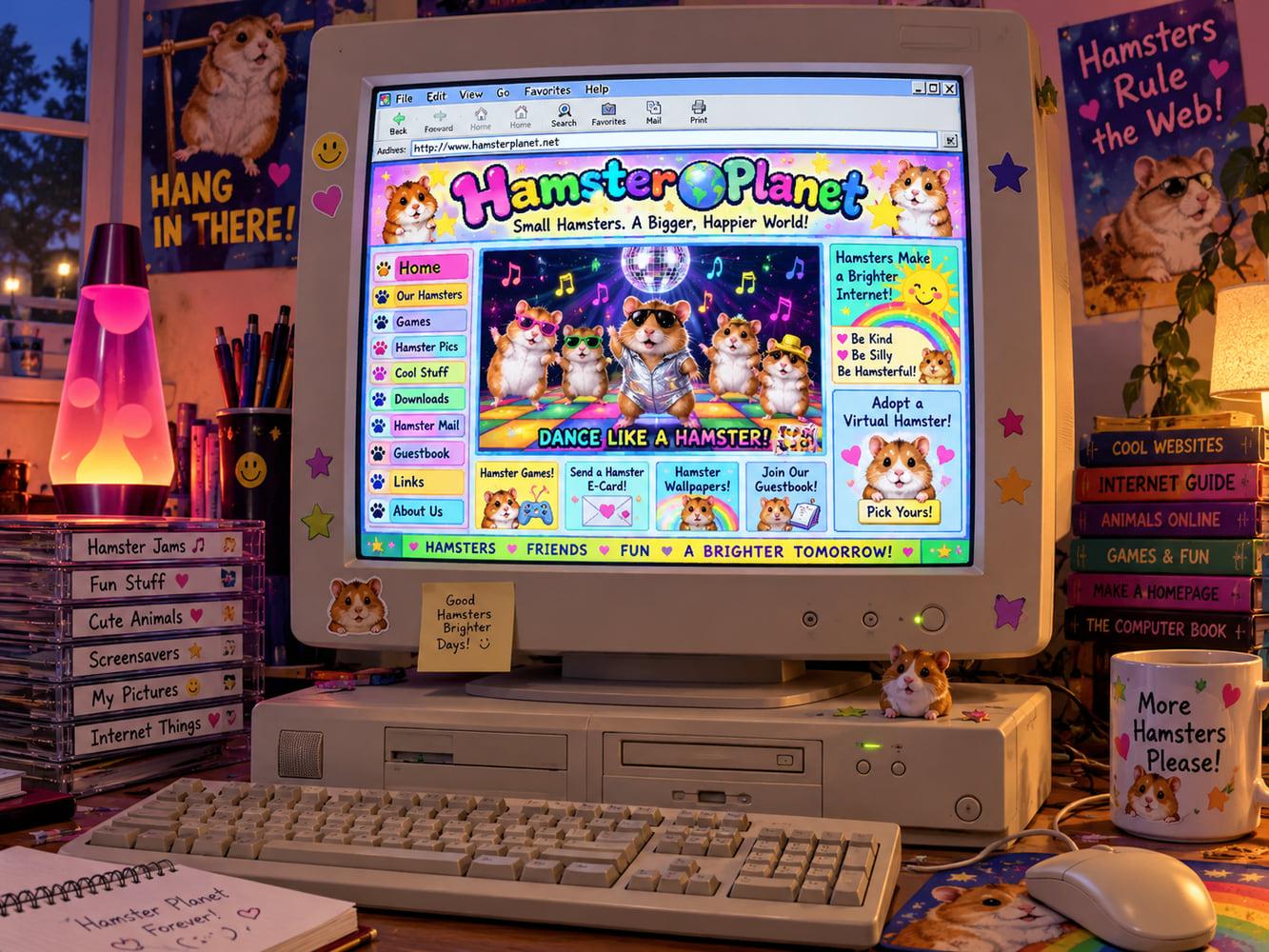
Canadian creator Deidre LaCarte launched the Hampster Dance in August 1998 as part of a contest with her sister and a friend to attract website visitors. The subject honored her pet hamster, Hampton. Sweden's Internetmuseum recounts its beginnings, including its spread through email and newsgroups.
The design was wonderfully direct: rows of small animated hamster GIFs, dancing over and over. The Web Design Museum's account of the original page identifies its soundtrack as a sped-up sample of "Whistle Stop" from Disney's Robin Hood. Roger Miller's recording supplied the source for the short, repeating musical loop, as Internetmuseum also documents.
Many people remember it as Hamster Dance, which is what you'd reasonably type when looking for a dancing hamster website. The original name keeps the extra "p": Hampster Dance. An important spelling distinction for an operation otherwise staffed entirely by dancing rodents.
The appeal spread far beyond a personal page. It became one of the early web's memorable viral phenomena, with a premise you could explain before the next loop began.
The Golden Age of Ridiculous Websites
Personal websites on services such as GeoCities could feel like walking into someone's very enthusiastic bedroom. Here were the favorite bands, the strange hobbies, the homemade graphics, and a background that had made several brave choices.
Depending on the page, you might encounter:
- A visitor counter solemnly recording your arrival.
- A guestbook inviting you to announce that you had arrived.
- A web ring offering another doorstep to visit.
- An "Under Construction" sign on a page that seemed perfectly happy in its unfinished state.
- Music you hadn't requested, accompanied by more animated GIFs than your screen strictly needed.
Not every early site collected the full set. The charm was in the personal choices. A page could be messy, specific, and completely committed to a hobby you'd never considered before clicking.
Why Was the Hampster Dance So Entertaining?
Simplicity: you already understood the assignment
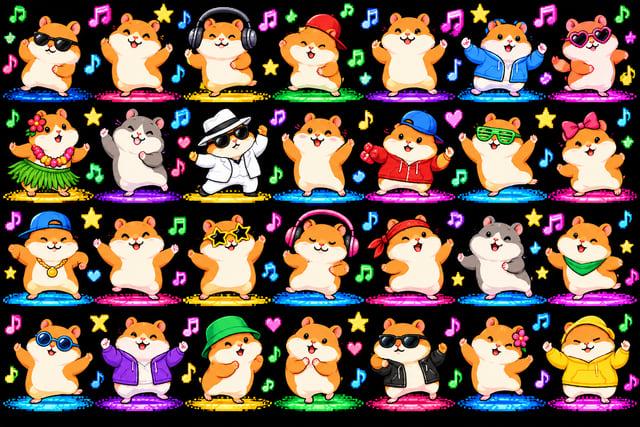
There was almost nothing to learn. You weren't choosing a character, completing a tutorial, or wondering whether you'd missed the important part. You had found the hamsters. They were dancing. Congratulations on a successful visit.
That immediate understanding made the absurdity easy to enjoy. A tiny premise can be very effective when it doesn't stop to explain itself.
Repetition: surely one more loop won't hurt
Repeated movement and a catchy sound give your attention something easy to follow. The characters don't need a dramatic second act. Watching them do the same thing again is the attraction.
Our theory is that the longer you watch, the funnier the commitment becomes. Nobody in those rows appears to be considering a different activity.
Shareability: somebody else needs to see this
The link traveled through personal recommendations, emails, and online communities, before today's social feeds became the usual delivery route for a silly discovery. You could send someone a URL and trust the hamsters to explain themselves.
That's an appealing recipe for classic internet memes: a recognizable idea, a quick laugh, and the immediate thought of a friend who would enjoy it.
The Internet Doesn't Have to Be Productive
Today's web does plenty of useful things. It helps us shop, work together, manage subscriptions, and keep up with people far away. We're quite fond of being able to solve a practical problem without locating a fax machine.
But browsing can also feel crowded with engagement prompts, advertising, recommendations, and tools promising to organize the other tools. Sometimes opening a page means acquiring another small task.
A funny website can offer a moment with no particular destination. Not every visit needs to improve your habits or produce a purchase. Sometimes a cartoon animal doing a little dance is a perfectly good result.
Bringing Back Ridiculous Dancing Websites

That affection for simple nonsense is behind our Obama Cheese-Cake Dance. Illustrated versions of Barack Obama share a repeating dance floor with cheerful cheesecake slices. The desserts have feet. The premise does not improve under cross-examination.
It's our own tribute to the playful spirit of funny old websites, with different characters and music. It doesn't recreate the original Hampster Dance or use its soundtrack and hamster animations.
Greetings From Obama is an independent parody project, unaffiliated with and not endorsed by Barack Obama. He hasn't created or participated in these dance pages. You can explore Obama Dance Pages for more of our very unofficial choreography.
We Could Use More Weird Websites
Early internet nostalgia doesn't mean every old design decision needs a comeback. We can appreciate the creativity without insisting that every paragraph should blink. What deserves another turn is the willingness to make something because the idea is funny, strange, or personally delightful.
There's still room for experiments with one joke, a handful of characters, and a generous supply of repetition. Experience the Obama Cheese-Cake Dance if that sounds like a reasonable use of your next minute.
Keep the internet weird. The hamsters have put in their shift; let the cheesecake cover the evening.